
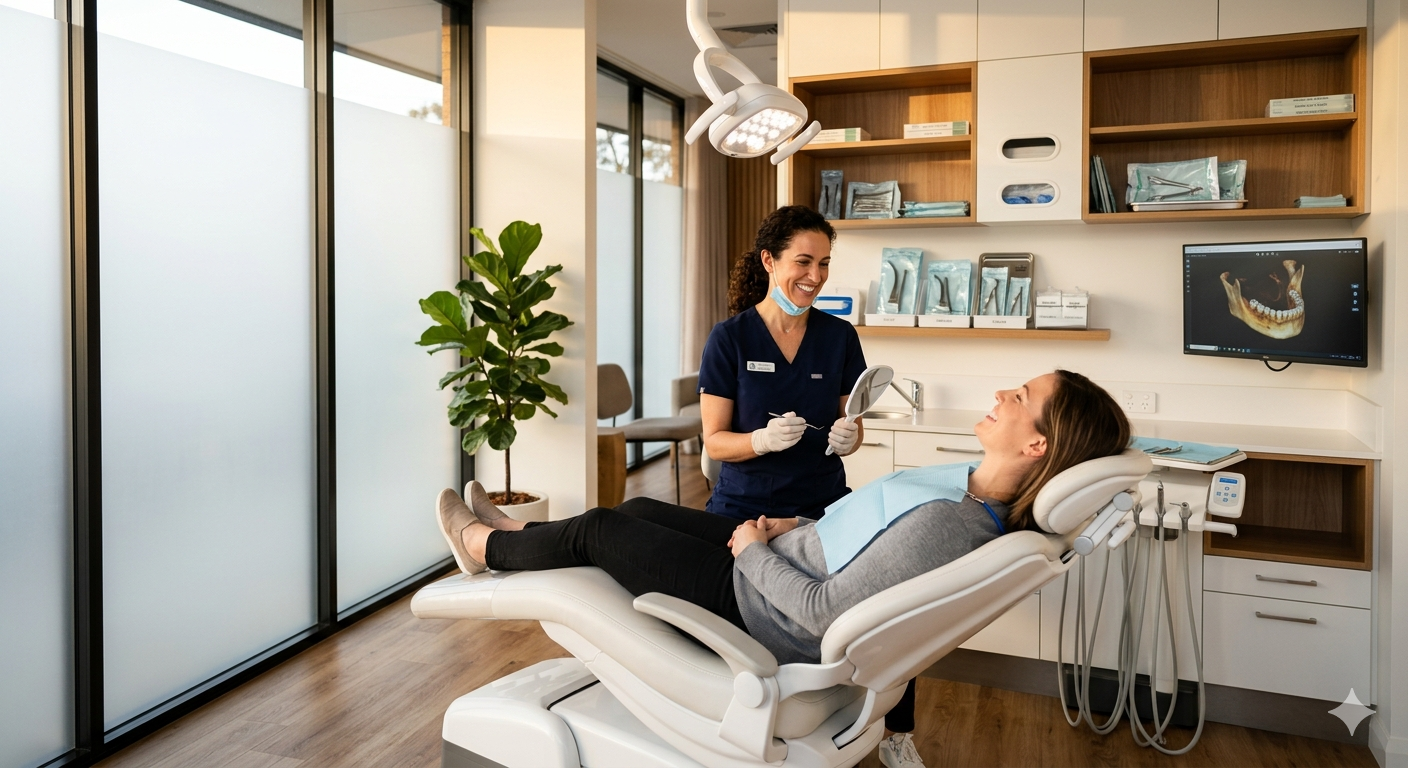
When a dental emergency strikes in Palmdale, CA, finding prompt, reliable care is crucial. An emergency dentist in Palmdale is available to handle urgent issues like severe tooth pain, broken teeth, and infections quickly to prevent further complications. Knowing where to go and what to expect can ease the stress of an unexpected dental problem.
Local emergency dentists often offer flexible hours and modern treatments to relieve pain and protect oral health. They focus on patient comfort, using gentle techniques and clear communication to make emergency visits as smooth as possible. Understanding these options helps patients feel prepared if they ever need sudden dental care.
When someone visits an emergency dentist in Palmdale, the first priority is quick relief of pain and addressing the urgent problem. The dentist will start with a thorough examination to understand the situation clearly.
They often use modern technology like digital X-rays right away. This helps spot fractures, infections, or other hidden issues fast. The dentist then explains the findings in simple terms so patients feel informed and comfortable.
Treatment varies depending on the dental emergency. It could be anything from fixing a cracked tooth, treating a severe infection, or extracting a damaged tooth. Many emergency dentists focus on stabilizing the issue first, then discuss follow-up care.
Patients can expect a calm, friendly environment where their comfort is important. Staff usually provide tips on pain management and aftercare before sending patients home. They also encourage scheduling regular dental visits to prevent future emergencies.
| What Happens | Why It Matters |
|---|---|
| Rapid Assessment | Identifies the cause quickly |
| Pain Relief | Reduces discomfort ASAP |
| Clear Explanation | Builds trust and understanding |
| Follow-Up Plan | Supports healing and prevention |
Emergency dentists in Palmdale make it simple to get help when you need it most. If a dental emergency happens, reaching out early can make treatment smoother and less stressful.
When dental emergencies strike, timely care is crucial to relieve pain and save teeth. This often involves addressing intense pain, damaged teeth, or teeth that have been completely displaced. Knowing what to expect during treatment helps patients stay calm and make informed decisions.
Severe toothaches often indicate an infection or damage deep within a tooth. The pain can range from constant throbbing to sharp, sudden bursts. Dentists will first assess the source using x-rays and exams to determine if it’s caused by decay, abscess, or inflammation.
Treatment usually involves cleaning out infected tissue or nerves inside the tooth through a root canal or extraction if the damage is severe. Pain relief is a priority, so dentists may provide medication before starting procedures. It’s important to avoid delaying care, as untreated infections can worsen.
Chipped and broken teeth can happen from accidents or biting hard foods. The severity can vary from minor enamel chips to large fractures exposing the pulp. Treatment depends on the extent of damage.
Minor chips might be smoothed or repaired with dental bonding or veneers. Larger breaks often require crowns to restore strength and appearance. If the break reaches the nerve, root canal therapy may be needed before restoring the tooth. Patients should protect broken teeth from further damage by avoiding chewing on that side.
A knocked-out tooth requires immediate attention to improve chances of saving it. The key is to act quickly, ideally within an hour. The patient should gently rinse the tooth with water, avoid touching the root, and try to place it back in the socket if possible.
If reinsertion isn’t possible, keeping the tooth moist in milk or saline is essential while getting to the dentist. Emergency dentists can often reimplant the tooth and stabilize it with a splint. Prompt treatment significantly increases the likelihood of saving the tooth.
Knowing when to get urgent dental help can prevent pain and serious complications. Some symptoms clearly demand prompt attention, while others may wait for a regular appointment. Understanding these signs helps patients make confident choices for their dental health.
A true dental emergency often involves intense pain or visible damage. Situations like a knocked-out tooth, severe toothache that won’t ease with painkillers, or uncontrolled bleeding need immediate care.
Other urgent cases include broken teeth, especially if sharp edges cause injury to the tongue or gums, and infections causing swelling or fever. Trauma from an accident or sudden injury also requires quick evaluation to save teeth or prevent further damage.
If the problem affects eating, speaking, or breathing, it’s a clear sign to seek care right away.
Ignoring dental emergencies can lead to worsening pain, infections, and even tooth loss. Infections that start in the mouth can spread to other parts of the body if left untreated.
Delays may mean more complex procedures later on, such as root canals, extractions, or surgery. Prompt care often means faster recovery and better outcomes.
Waiting too long also increases the risk of swelling or abscess formation, which can impact daily activities and overall health.
While waiting to see the dentist, some simple steps can reduce discomfort or prevent further damage. For bleeding, gentle pressure with a clean cloth or gauze is helpful.
Cold compresses applied outside the cheek can reduce swelling and numb pain. Avoid chewing on the affected side, and skip hot or very cold foods.
If a tooth is knocked out, rinsing it gently and trying to place it back in the socket may help. Otherwise, keep it moist in milk or saline until reaching the dentist.
Pain relievers like ibuprofen can be taken, but avoid aspirin as it may increase bleeding.
When faced with a dental emergency, quick access to effective care can make a big difference. Treatments focus on relieving pain, restoring damaged teeth, and managing infections to prevent complications.
Immediate pain relief is a top priority. Dentists often start with local anesthetics to numb the affected area, making procedures more comfortable. Over-the-counter pain medications like ibuprofen may be recommended to control inflammation and pain before or after treatment.
For severe pain, stronger prescription medications can be provided. Cold compresses might also be suggested to reduce swelling. Patient comfort is continuously monitored throughout the emergency visit to reduce anxiety and stress.
Restoration depends on the type and extent of damage. Common solutions include dental bonding or composite fillings for minor chips and cracks. For more serious breaks, dentists may use crowns or veneers to rebuild the tooth’s structure and function.
If a tooth is completely knocked out, reimplantation may be possible within an hour. Dentists also use root canal therapy if the tooth’s pulp is damaged but saving the natural tooth is still an option.
Treatment plans aim to restore both appearance and chewing ability quickly and effectively.
Infections from dental emergencies require prompt attention. Dentists typically prescribe antibiotics to control bacterial growth and prevent spread to surrounding areas.
If an abscess is present, draining the infection might be necessary. Root canal therapy can clear infection inside the tooth to avoid extraction.
Ongoing monitoring ensures the infection resolves completely. Ignoring infection risks more serious health problems, so early intervention is key.
Emergency dentists in Palmdale typically hold DDS (Doctor of Dental Surgery) or DMD (Doctor of Dental Medicine) degrees. These credentials ensure they have undergone rigorous training in general dentistry before specializing in urgent dental care.
Many emergency dentists also have additional certifications in trauma management, pain control, and sedation techniques. This extra training helps them effectively handle sudden dental injuries or severe tooth pain while keeping patients comfortable.
Experience plays a key role. Dentists who have spent years working in emergency settings are familiar with a wide range of dental crises—like knocked-out teeth, infections, or severe toothaches. They know how to assess problems quickly and decide on appropriate treatment.
Here’s what you can expect from qualified emergency dentists in Palmdale:
Most emergency dentists emphasize patient education too. They provide advice on preventing future emergencies and maintaining good oral health after treatment.
If sudden dental trouble strikes, it’s reassuring to know Palmdale emergency dentists stand ready. Their combination of education, skill, and care means you’re in capable hands whenever you need quick help.
Visiting an emergency dentist in Palmdale is designed to be straightforward and efficient. Patients can expect clear steps for scheduling, what to bring along, and understanding payment details before receiving care.
Emergency dentists in Palmdale typically offer same-day appointments to handle urgent issues like severe pain, broken teeth, or infections. Most clinics have extended hours, including evenings and weekends, to accommodate emergencies outside regular office times.
Patients are encouraged to call as soon as possible to explain the problem, as this helps the receptionist prioritize treatment and prepare the dental team. Walk-ins may be accepted but scheduling ahead reduces wait times. Some offices also provide online booking or a 24/7 hotline for immediate assistance.
Bringing the right items can speed up the emergency visit and help the dentist provide the best care. Important documents include a photo ID, dental insurance card, and any recent dental records or X-rays if available.
Patients should also bring a list of current medications and allergies, as these affect treatment decisions. If the emergency involves trauma, bringing pieces of broken teeth or dental appliances can aid repair. Comfortable clothing and a payment method on hand are recommended.
Most emergency dental clinics in Palmdale accept a range of insurance plans, including private dental insurance and Medicaid. It’s important to confirm coverage details before the visit to understand out-of-pocket costs.
For those without insurance, many practices offer flexible payment plans, sliding scale fees, or accept credit cards and CareCredit financing. Clinics often provide upfront cost estimates to keep patients informed. Discussing financial options during scheduling can ease stress during an emergency.
Preventing dental emergencies starts with consistent habits and protective measures. These include daily care routines, using the right gear during physical activities, and keeping up with dental visits. Together, these steps help reduce the risk of sudden tooth pain, injury, or damage.
Daily brushing and flossing are the foundation. Brushing twice a day with fluoride toothpaste removes plaque and prevents cavities that can lead to pain or infection. Flossing once daily clears debris between teeth where brushes can’t reach.
Limiting sugary snacks and drinks also keeps teeth healthier. Sugar feeds bacteria that cause decay and gum problems. Drinking water after meals helps wash away food particles, reducing acid buildup.
Avoid biting hard objects like ice or pens, which can crack or chip teeth. This simple caution can prevent many common dental emergencies.
Wearing a mouthguard during sports or physical work protects teeth from injury. Custom-fit mouthguards from a dentist offer the best fit and comfort. They absorb impact and reduce the chance of fractured or knocked-out teeth.
For nighttime teeth grinders, a dental night guard protects enamel from wear and reduces jaw pain. It’s important to get this device professionally made to avoid discomfort or worsening the problem.
Helmets with face protection also help during high-impact activities. Using the right gear is a key step in avoiding dental emergencies related to accidents or pressure.
Regular dental visits allow early detection of problems before they become emergencies. Dentists use exams and X-rays to find decay, cracks, or infection not visible at home. Treatments can be scheduled to prevent sudden pain or tooth loss.
Professional cleanings remove hardened plaque (tartar), reducing gum disease risk. Healthy gums support strong teeth which are less prone to emergency injury.
Patients should visit every six months or follow their dentist’s recommended schedule. Consistency helps maintain oral health and reduces unexpected dental crises.
Dental emergencies can be especially stressful for patients who feel anxious about visits. A caring emergency dentist in Palmdale, CA, understands these fears and takes steps to create a calm environment. Friendly communication helps patients feel seen and understood from the moment they walk in.
Many dental offices offer comfort techniques like deep breathing guidance, distraction tools, or soft music to ease nerves. They also explain procedures clearly, so patients know what to expect, reducing uncertainty. Knowing the dentist is gentle and patient-focused can make a big difference.
Some clinics provide sedation options for those with severe anxiety. These can range from mild sedation to help patients relax, to more advanced options if necessary. Discussing these choices beforehand allows patients to feel in control of their care.
Here’s what nervous patients can expect when seeking emergency dental care:
| Step | What it Involves |
|---|---|
| Initial Assessment | Quick and gentle evaluation of the issue |
| Clear Explanation | Simple details about treatment options |
| Comfort Measures | Calming techniques tailored to needs |
| Follow-up Support | Guidance on recovery and aftercare |
Encouraging patients to share their worries openly is key. This way, dentists can personalize care and ensure comfort throughout emergency treatment. If anxiety is holding someone back from urgent dental care, reaching out to a trusted Palmdale emergency dentist is a good first step.
When someone experiences sudden dental pain or injury, the first step is to call the emergency dentist’s office in Palmdale, CA. Many clinics offer same-day appointments or walk-in availability to address urgent needs promptly.
It’s helpful for patients to provide a brief description of their symptoms when scheduling. This allows the dental team to prioritize care based on severity. Common details to share include pain location, injury type, and any bleeding.
Once the appointment is set, patients should gather any relevant dental records or X-rays to bring along. This information helps the dentist understand their history and recommend the best treatment options quickly.
Before the visit, it’s recommended to avoid eating hard or sticky foods that could worsen the problem. Drinking water and taking over-the-counter pain relievers may ease discomfort until seen.
During the consultation, the dentist will assess the situation using modern diagnostic tools and discuss treatment plans tailored to the patient’s needs. They’ll also address any fears or questions to ensure comfort.
Here’s a quick checklist to prepare:
| Step | Action |
|---|---|
| Call | Contact the emergency dentist |
| Describe symptoms | Share specific pain or injury |
| Collect records | Bring past dental information |
| Prepare | Avoid aggravating foods |
| Confirm appointment time | Arrive promptly for care |
Taking these steps helps make the emergency dental process in Palmdale smooth and stress-free.
Understanding when a dental issue needs immediate care versus when it can wait helps patients avoid unnecessary stress and get the right treatment quickly. Knowing what to do in common emergencies like severe pain or a knocked-out tooth can save both discomfort and the tooth itself.
True dental emergencies include severe pain, uncontrolled bleeding, a knocked-out tooth, or an infection causing swelling. Minor issues like slight discomfort or a lost filling can usually wait until the next day.
It’s best to see a dentist first, especially if the pain is due to a tooth or gum problem. The ER handles life-threatening emergencies and may not be equipped for dental-specific care.
For a cracked tooth, rinse your mouth with warm water and avoid chewing on that side. If a tooth is knocked out, keep it moist—ideally by placing it back in the socket or in a container of milk—and see a dentist immediately.
Many dental offices offer same-day urgent visits, often within hours. During the appointment, they will assess pain, infection, or damage and provide treatments like pain relief, cleaning, or temporary repairs.
Patients without a regular dentist or insurance can seek care at dental clinics that offer sliding scale fees or payment plans. Emergency dental offices often accept new patients and provide prompt treatment.
Many emergency dental providers offer care tailored to seniors, including denture repairs and solutions for missing teeth. Quick attention can prevent further discomfort and help maintain daily comfort and function.