
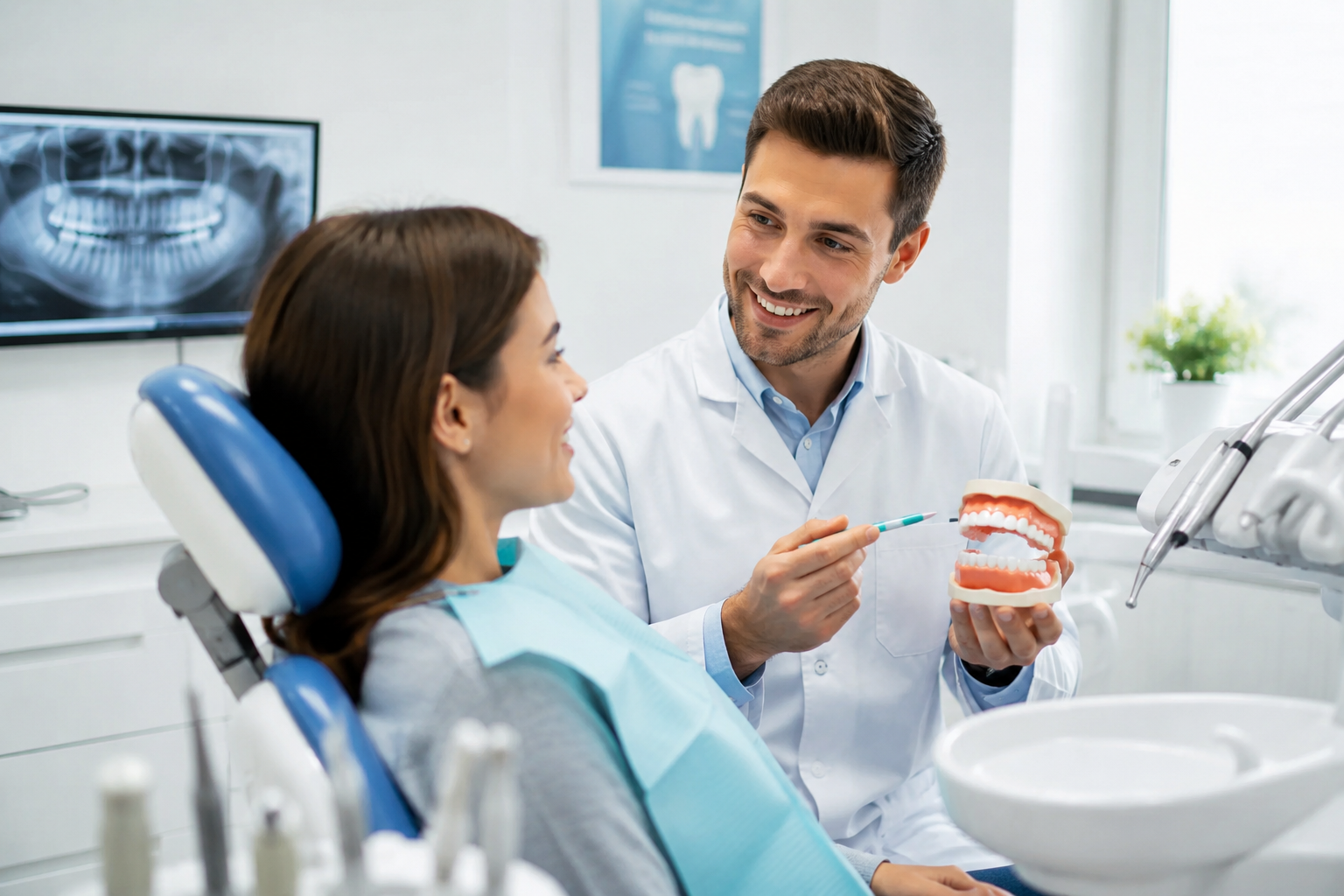
You can help your whole family enjoy healthier, more confident smiles with cosmetic dentistry that fits everyday life in Palmdale. Cosmetic treatments can improve appearance, strengthen teeth, and simplify long-term care so everyone at home benefits from better oral health and a brighter smile.
This article shows which family-friendly options—like bonding, whitening, and tooth-colored restorations—work well for kids, teens, and adults, and how modern techniques keep visits comfortable and efficient. Expect clear guidance on practical benefits, what to expect at appointments, and how local Palmdale care makes maintaining healthy habits easier.
Cosmetic dentistry does more than improve appearance; it strengthens function, prevents problems, and builds healthy habits that benefit every family member. Treatments like bonding, crowns, veneers, and clear aligners can restore enamel, correct bite issues, and make daily hygiene easier.
Cosmetic treatments often solve small issues before they become larger, more expensive problems. For example, a chipped tooth repaired with bonding or a porcelain veneer restores enamel continuity, reducing exposure to bacteria and sensitivity that can lead to decay.
Sealants and resin fillings placed with an aesthetic focus protect grooves and pits in molars while preserving a natural look. For teens, clear aligners correct crowding that traps food, making brushing and flossing more effective and lowering risk of cavities and gum disease.
For older adults, crowns and onlays repair worn or cracked teeth, restoring chewing function and preventing fractures that could require extraction. Many cosmetic procedures use durable materials (e.g., zirconia, lithium disilicate) that resist wear and maintain a protective barrier for years.
Improved appearance often encourages better daily care and more frequent dental visits. When patients feel proud of their smile after veneers or whitening, they tend to maintain consistent brushing, flossing, and routine cleanings.
Cosmetic dentistry also addresses social and emotional factors that affect health. Teens who receive discreet orthodontic treatment often experience reduced anxiety about appearance, which can decrease avoidance of school or social activities and support overall well-being.
Families benefit when one member’s positive experience motivates others to seek care. Coordinated treatments—such as family education on oral hygiene tailored to restored teeth—help everyone adopt habits that preserve both cosmetic results and oral health.
Many cosmetic procedures carry functional safeguards that lower long-term risk. For instance, properly aligned teeth from orthodontic treatment distribute bite forces evenly, reducing abnormal wear, TMJ stress, and the chance of tooth fracture.
Restorations like crowns and full-coverage bridges protect compromised teeth from further decay and structural failure. Using modern adhesives and layering techniques, dentists bond restorations to remaining tooth structure to reinforce strength and seal margins against bacterial invasion.
Preventive planning ties cosmetic work to maintenance: customized nightguards protect veneers and crowns from grinding; fluoride treatments and targeted hygiene instructions extend longevity. This combination of aesthetic and protective care reduces the likelihood of emergency treatments and preserves natural teeth longer.
Family cosmetic dentistry in Palmdale focuses on safe, age-appropriate options that improve appearance while protecting oral health. Treatments range from preventive, tooth-preserving procedures for children to conservative, fast-recovering options for busy parents.
Dental sealants and tooth-colored fillings remain the best first-line cosmetic measures for kids because they prevent decay while preserving natural shape. Sealants coat molars to stop cavities in grooves; composite fillings match tooth color and require minimal enamel removal.
Orthodontic choices now include clear ceramic braces and Invisalign First for younger patients, which straighten teeth with less metal and more comfort. These options reduce social concern and improve function during development.
Minor enamel defects often get treated with microabrasion or bonding. Bonding uses tooth-colored resin to fix chips and gaps in one visit, making it practical for school schedules and sports activities.
Porcelain veneers and composite bonding offer two conservative paths: veneers for long-lasting shape and color change, bonding for same-day touch-ups and repairs. Both preserve most of the natural tooth compared with full crowns.
Teeth whitening—either in-office or take-home trays—provides quick improvement and pairs well with enamel-safe polishing. Laser gum contouring corrects uneven gum lines with minimal bleeding and recovery time when performed by a trained periodontist.
For adults worried about time off work, same-day CAD/CAM crowns and digital impressions shorten appointments. These technologies reduce temporary restorations and improve fit, lowering follow-up visits.
Smile makeovers for parents often combine whitening, veneers, and conservative bite adjustments to restore confidence after years of wear. Customized treatment plans prioritize durability and low maintenance, selecting materials that resist staining from coffee or soda.
Schedule-friendly care matters: many practices offer evening appointments, phased treatments, and financing to accommodate families. Emphasis on preventive follow-up—regular cleanings and occlusal guards—keeps results stable while protecting restorations long-term.
Patient comfort receives special attention through sedation options and nitrous oxide for anxious patients, making multi-step makeovers manageable between work and childcare commitments.
Cosmetic dentistry can boost confidence, reduce social anxiety, and help family members feel more comfortable in photos, interviews, and everyday conversations. Targeted treatments often produce quick, noticeable results that change how people present themselves in social and professional settings.
When a teenager replaces stained or misaligned teeth with veneers or clear aligners, they often feel more willing to smile in class photos and at events. Restorations like crowns and bonding repair visible damage that can make adults hide their teeth during meetings or social outings.
Small changes matter: tooth whitening before a job interview, or repairing a chipped front tooth before a school play, can provide immediate psychological benefits. Families report better morning routines and less time spent covering smiles, which reduces daily stress and improves individual mood.
Dentists in Palmdale typically combine cosmetic work with conservative, tooth-preserving approaches. That reassures patients worried about long-term effects and supports lasting self-esteem rather than temporary boosts.
A confident smile affects first impressions in measurable ways—teachers, employers, and peers respond to confident body language, which often starts with an open, relaxed smile. For children, clearer, well-aligned teeth can reduce teasing and foster more positive peer interactions.
In workplaces, adults with improved dental appearance frequently report higher participation in meetings and networking events. Simple treatments—orthodontics for bite correction or discreet restorations for front-tooth flaws—help people speak and laugh without self-conscious behavior.
Family-focused dentists often coordinate care schedules so multiple members can receive treatment conveniently, minimizing disruption to school and work. That practical approach supports sustained social benefits by making cosmetic improvements accessible and manageable for busy households.
Palmdale families can expect dental practices that fit busy days, short drives, and practical budgets. Local clinics offer services designed for multiple ages, quick scheduling, and treatments that minimize repeated visits.
Local cosmetic dental offices in Palmdale often offer flexible hours, including early mornings, evenings, and some Saturday appointments to accommodate school runs and work shifts. They coordinate siblings’ appointments back-to-back and block family time slots so parents don’t make multiple trips across town.
Many practices provide digital booking, text reminders, and online forms to reduce time in the waiting room. Same-day restorations, like CEREC crowns, and combined visits for cleaning plus a cosmetic consult help minimize missed school or work hours. Insurance coordination and transparent fee estimates at the front desk cut down on surprises, so families can plan treatment around budgets and timelines with confidence.
Palmdale clinics staff dentists trained in cosmetic procedures—teeth whitening, veneers, composite bonding, and orthodontic options like clear aligners—who practice near neighborhoods such as Rancho Vista, Quartz Hill, and the Civic Center. Having specialists close by means easier follow-ups and quicker responses to concerns after procedures.
Offices commonly partner with local labs for faster custom restorations and use familiar anesthesia and sedation protocols that prioritize comfort for children and anxious adults. Many clinics publish provider bios and before/after galleries online, so families can evaluate experience and aesthetic style before scheduling a consult. For immediate questions, phone triage and short-notice consult slots make accessing expert guidance straightforward.
This section highlights how up-to-date equipment and gentle care combine to make dental visits faster, less painful, and more predictable for families in Palmdale. It focuses on specific technologies and comfort measures that matter most to parents and patients.
Palmdale clinics use digital X-rays and 3D cone beam CT scans to diagnose cavities, root anatomy, and jaw alignment with lower radiation and faster results. Digital impressions with intraoral scanners replace gooey molds, producing highly accurate crowns, veneers, and Invisalign trays in fewer visits.
Same-day restorations often rely on CAD/CAM milling machines that craft ceramic crowns on-site, letting a patient receive a permanent crown in one appointment rather than weeks. Laser dentistry reduces bleeding and swelling for soft-tissue procedures and helps detect early decay that traditional exams might miss.
Computer-guided implant planning and guided surgery increase placement precision, lowering complication risk and shortening healing time. Electronic patient records and secure patient portals streamline scheduling, treatment planning, and post-op instructions for busy families.
Clinics prioritize local anesthesia techniques with buffered anesthetics and computerized delivery systems to minimize injection discomfort. For anxious children and adults, moderate nitrous oxide and oral sedation options provide calming effects while maintaining patient safety and quick recovery.
Pain management follows multimodal protocols: targeted anesthetic techniques, minimally invasive tissue handling, and post-op prescriptions that favor short courses of non-opioid analgesics when appropriate. Staff use child-friendly communication, distraction tools, and stepwise exposure for fearful patients to build trust over multiple visits.
Infection control follows CDC guidelines, with single-use items and sterilization logs visible to patients. Offices often offer comfortable operatories, noise-cancelling headphones, and clear pre- and post-care instructions to reduce stress and speed recovery.
Families in Palmdale benefit when dental care becomes part of daily life. Small, consistent actions—brushing twice daily and flossing once—reduce decay and keep smiles bright.
Parents can model brushing for children and make it a brief, two-minute routine. Using a timer or a song helps younger kids stay engaged and learn good habits faster.
Regular dental checkups catch problems earlier and often mean less invasive treatment. Cleanings, fluoride treatments, and sealants protect teeth and reduce future costs.
A simple checklist helps families stay organized:
Cosmetic options like sealants and tooth-colored fillings serve both health and appearance. They restore function while preserving a natural look, which encourages ongoing care.
Modern pediatric and family dental practices focus on comfort and education. Gentle techniques, clear explanations, and positive reinforcement make visits less stressful for everyone.
They should ask the dental team about personalized routines and preventive products that fit their ages and needs. A short conversation at the next appointment can create a practical plan the whole family will follow.
Patients arrive at a friendly, modern office where staff confirm medical history and discuss goals. They receive a clear outline of options and timeframes so families can plan around school or work.
The dentist performs a focused exam and takes necessary images—X-rays or photos—to evaluate structure and aesthetic needs. This step helps match treatments, such as veneers or whitening, to each patient’s unique smile.
A treatment plan follows that lists procedures, costs, and estimated visits. The team explains anesthesia choices and comfort measures, and answers questions about recovery and maintenance.
For many procedures, a mock-up or digital preview shows expected results. Seeing a simulation helps families choose the look they want and sets realistic expectations.
Minimally invasive options often allow same-day treatment or quick follow-ups. More extensive care, like orthodontics or full-mouth restorations, includes scheduling milestones and routine check-ins.
Before any work begins, consent forms and payment options are reviewed. The staff discusses preventive steps to protect new restorations, such as nightguards or fluoride treatments.
Patients leave with written aftercare instructions and a direct line for concerns. Families in Palmdale get reassurance that follow-up visits are available to monitor results and ensure lasting comfort and function.
Families in Palmdale benefit when cosmetic dentistry focuses on durability and everyday life. Treatments such as porcelain veneers, tooth-colored fillings, and professional whitening deliver natural-looking results that resist staining and wear.
A tailored treatment plan considers each family member’s age, habits, and goals. Dentists evaluate bite, oral health, and esthetics to recommend conservative options that preserve tooth structure.
Maintenance plays a central role in long-term success. Regular cleanings, fluoride treatments, and night guards for bruxism protect investments and prevent future problems.
Cosmetic procedures can improve function as well as appearance. Straighter teeth and restored chewing surfaces reduce uneven wear and make eating more comfortable for all ages.
Comfort and communication matter during care. Modern offices in Palmdale use sedation options, digital imaging, and clear cost estimates to reduce anxiety and set realistic expectations.
A simple checklist helps families stay on track:
When cosmetic work aligns with preventive dentistry, smiles remain healthy and attractive for years. Families are encouraged to consult their local dentist to explore options, ask questions, and plan treatments that fit their lifestyle and budget.
This section answers common family concerns about cosmetic dentistry in Palmdale, including which treatments improve appearance and function, safety for children, preventive rules to follow, and what insurance typically covers. Each answer gives practical next steps families can discuss with their local dentist.
Cosmetic treatments like veneers, bonding, and tooth-colored restorations restore damaged enamel and smooth rough edges, making brushing and flossing more effective. Improved appearance often reduces self-consciousness at school or work, which can encourage better oral care at home.
When crowns or orthodontic fixes align teeth, chewing becomes easier and bite forces distribute properly, lowering future wear and risk of tooth fractures.
In-office and at-home whitening remain the fastest, least invasive options for adults seeking brighter teeth.
Composite bonding fixes chips and small gaps quickly, while porcelain veneers offer longer-lasting color and shape correction for older teens and adults.
Clear aligners are popular for teens and parents who want straighter teeth without metal braces, and tooth-colored fillings replace old metal restorations for a more natural look.
Dentists typically avoid permanent cosmetic work until most adult teeth have erupted, usually around age 12–14 for many procedures.
Noninvasive treatments—like whitening for older teens, bonding for small chips, and clear aligners for mild to moderate misalignment—are commonly used with comfort measures such as topical anesthetic and anxiety management.
Pediatric-focused clinics use behavior guidance and child-friendly communication to keep visits safe and calm.
The 3-3-3 rule refers to brushing three times daily, limiting sugary snacks to three times a day, and scheduling dental check-ups every three months if a patient has high decay risk.
Following this routine helps reduce cavities, staining, and gum problems that often lead families to seek cosmetic fixes.
Dentists tailor the frequency for children and adults based on individual risk, so families should ask about personalized intervals.
Yes. Bonding and veneers fill chips and close small gaps, creating smoother surfaces that collect less plaque.
Orthodontic treatments like clear aligners move crowded or rotated teeth, which improves access for cleaning and decreases decay risk.
Restorative options such as crowns rebuild worn or fractured teeth, restoring proper contours that help flossing slide between teeth.
Dental insurance and Medicaid usually cover medically necessary restorative care—such as crowns for broken teeth or fillings for decay—but they often exclude purely cosmetic procedures like veneers and elective whitening.
Coverage varies widely by plan and by state Medicaid rules; prior authorization and documentation of medical necessity can change what gets paid.
Families should contact their insurer and bring estimates to the dentist to clarify coverage, out-of-pocket costs, and alternative treatment options that balance appearance and budget.